
Delivering Excellence at Every Corporate Event
Corporate events in Kampala are becoming increasingly sophisticated, reflecting the city's growing status as a regional business hub. Whether you are organising a product launch, an end-of-year gala, a conference, or a team-building retreat, the stakes are high — your event represents your brand. At Modern Charm Uganda, we bring the same meticulous attention to detail and design excellence to corporate events as we do to weddings, ensuring your brand shines in every element.
Phase 1: Strategic Planning (8–12 Weeks Out)
Begin by defining your event's purpose, target audience, and key performance indicators. What does success look like? Is it media coverage, attendee engagement, lead generation, or team morale? Once your objectives are clear, establish your budget, select a date that avoids major holidays and competing industry events, and begin your venue search. In Kampala, popular corporate event venues include hotel ballrooms at the Serena, Sheraton, and Kampala Marriott, as well as unique spaces like rooftop terraces, garden venues, and cultural centres for events that want to showcase Uganda's character.
Phase 2: Design and Vendor Coordination (4–8 Weeks Out)
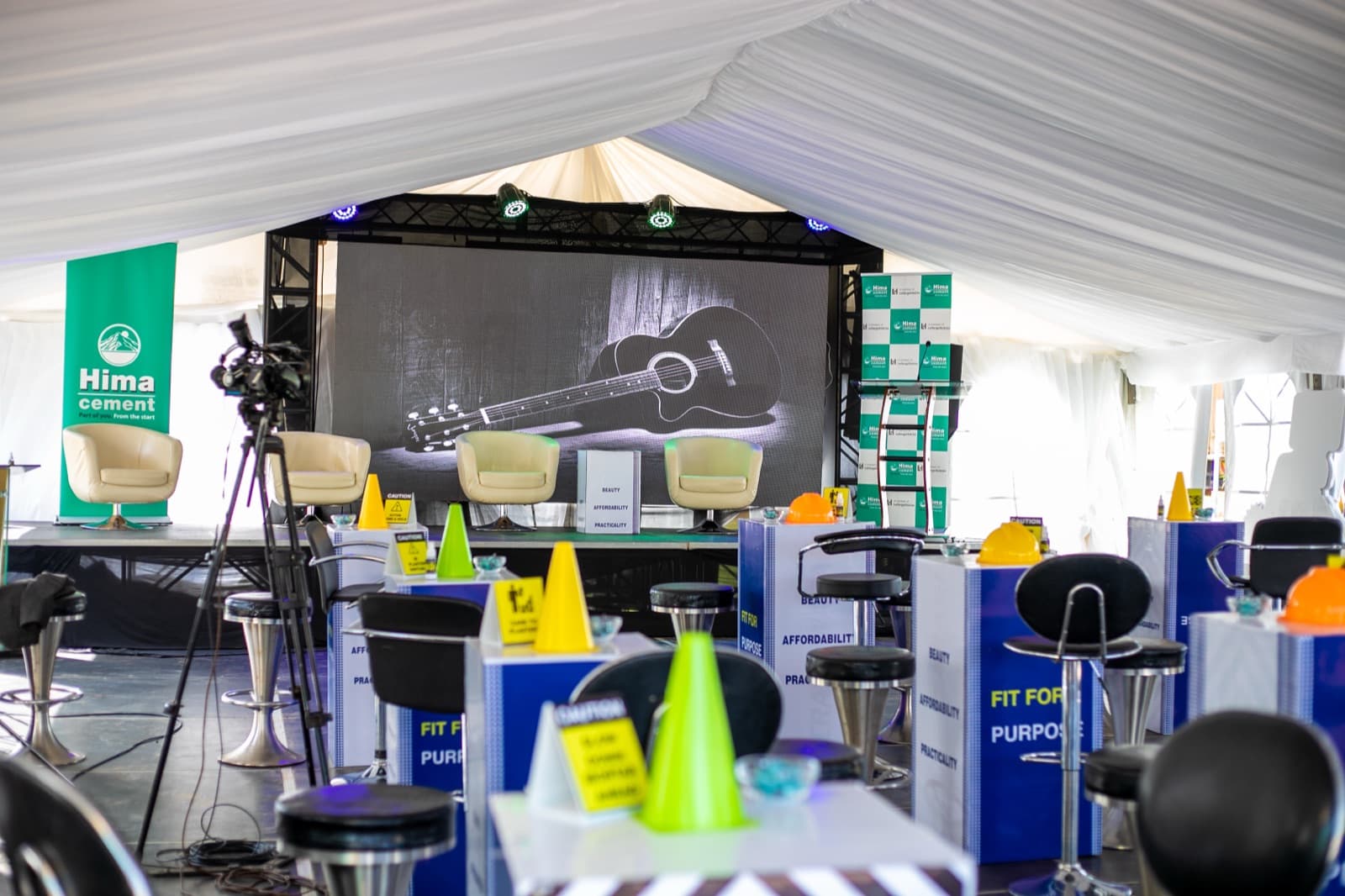
This is where your event takes shape visually and logistically. Key tasks include: developing a cohesive visual theme aligned with your brand identity; designing and ordering printed materials (invitations, programmes, name badges, branded backdrops); confirming your AV requirements (projectors, screens, microphones, lighting); booking catering with attention to dietary requirements and cultural preferences; arranging entertainment or keynote speakers; and coordinating transport and parking logistics. For product launches, this phase also involves designing the reveal moment, product display areas, and any experiential activations.
Phase 3: Execution Week (Final 7 Days)
The final week is all about confirmation, rehearsal, and contingency planning. Confirm all vendor arrival times and load-in schedules, conduct a venue walkthrough to finalise floor plans and seating arrangements, brief your on-site team on roles and responsibilities, prepare a detailed run-of-show document that maps every minute of the event, and assemble an emergency kit with essentials like extra name badges, phone chargers, first aid supplies, and stationery. We recommend a full setup rehearsal the day before, particularly for events with complex AV requirements or live presentations.
Day-Of Execution and Post-Event
On the day, your event management team should arrive at least three hours before guests. Key priorities include: final decor checks and adjustments, AV testing, catering setup and quality check, registration area preparation, and a team briefing 30 minutes before doors open. After the event, do not overlook the follow-up: send thank-you communications within 48 hours, distribute post-event surveys, compile media coverage and social media metrics, and hold a debrief meeting with your team to capture lessons learned. A well-executed post-event process is what transforms a good event into a lasting brand impression.